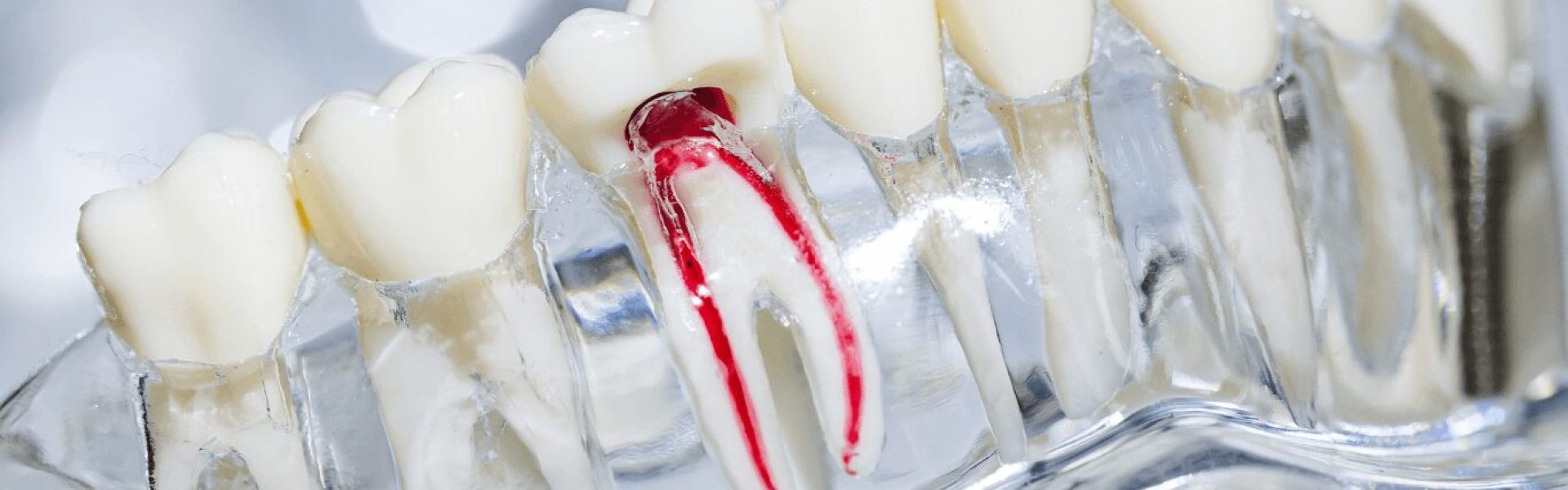
Root canal treatment is recommended when the inner pulp of a tooth becomes infected—often due to deep decay, injury, or an abscess that causes persistent pain.
The procedure is designed to save the natural tooth and relieve discomfort. Using specialised instruments, the dentist carefully removes the infected tissue, thoroughly cleans and disinfects the root canals, and then seals them to prevent further infection.
To restore strength and protection, a permanent crown is usually placed on the treated tooth at a later stage, ensuring long-term function and durability.
A root canal treatment is a dental procedure used to remove infected or damaged pulp from inside a tooth. You may need this treatment if you have severe tooth decay, infection, or injury that affects the inner tissue.
Modern root canal procedures are performed with local anaesthetic, making them virtually pain-free. Some discomfort may be experienced after the treatment, but this can usually be managed with over-the-counter pain relief.
A root canal treatment usually requires one or two appointments, depending on the complexity of the case. Each session may last between 60 to 90 minutes.
After treatment, you may experience mild discomfort or sensitivity for a few days. Maintaining good oral hygiene and attending follow-up appointments is important for proper healing and long-term success.
Following a root canal, your dentist may recommend placing a crown to restore the tooth’s strength and function. You should continue your regular oral care routine and schedule regular dental check-ups.