WisdomTooth

Wisdom Teeth

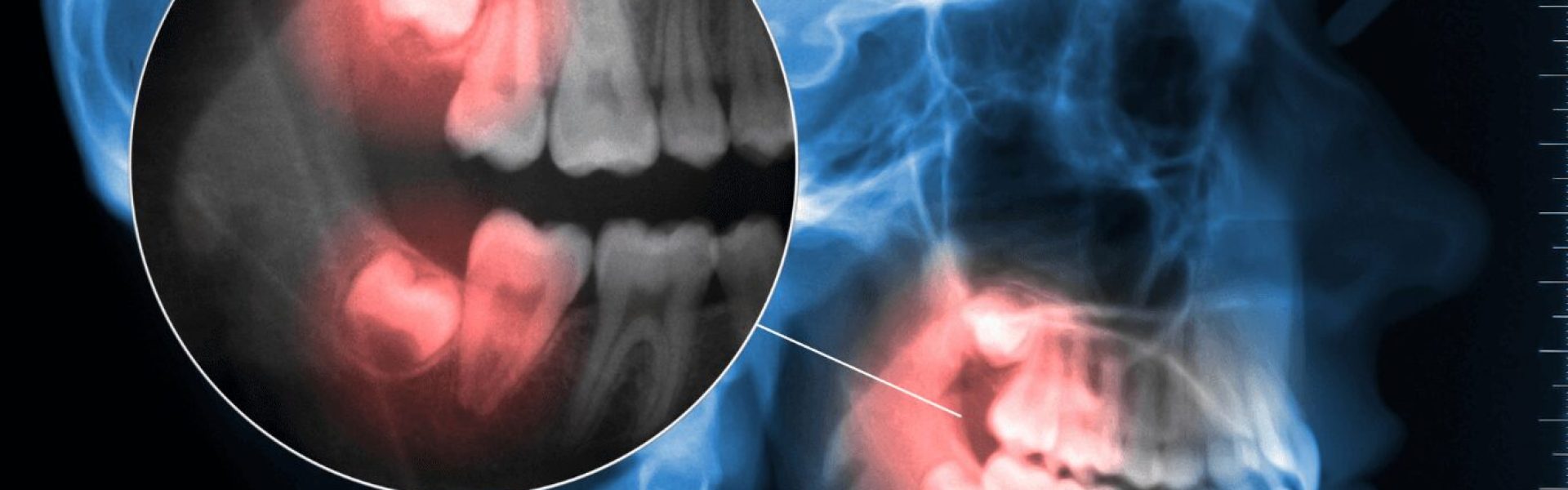
Are your wisdom teeth causing pain or discomfort? In some cases, wisdom teeth can become impacted—stuck beneath the gums or growing at an awkward angle—which may lead to complications. If this happens, extraction may be the best solution. Our team will carefully assess your situation and provide clear advice on the most suitable treatment options.

Most people develop four wisdom teeth, but because they appear later than other teeth, there is often not enough space for them to grow properly. This can cause them to only partially emerge, grow sideways, or remain trapped under the gums. These are known as impacted wisdom teeth. Removal involves extracting one or more of these third molars from the back of the mouth.

At Takapuna Dentists, our experienced team performs many wisdom tooth extractions, including surgical procedures when required. For particularly complex cases, we work closely with trusted oral and maxillofacial surgeons to ensure you receive the highest standard of care.

Need to Know

Appointments

Duration

Recovery Time

Benefits

Symptoms/Conditions

Before Appointment

After Appointment

Related Doctors

Principal Dentist

Fees

Frequently Asked Questions

What are wisdom teeth and why do they grow in later than other teeth?

Wisdom teeth, also known as third molars, are the last set of molars that typically emerge in late adolescence or early adulthood. They usually appear at the back of the mouth and are called “wisdom” teeth because they come in at a more mature age.

Not everyone needs to have their wisdom teeth removed. Extraction is often recommended only if the teeth are impacted, causing pain, infection, crowding, or are difficult to clean, potentially leading to dental problems.

Signs can include pain or discomfort at the back of the mouth, swelling of the gums, difficulty opening your mouth, and sometimes headaches or earaches. You may also notice redness or tenderness in the gum tissue around the wisdom teeth.

Wisdom tooth extraction is usually performed under local or general anaesthetic by a dentist or oral surgeon. The procedure varies depending on the position and condition of the teeth but often involves a minor surgical process to safely remove the teeth.

After extraction, you’ll need to follow your dentist’s instructions carefully. This typically involves resting, avoiding certain foods, managing swelling with ice packs, taking prescribed pain relief, and keeping the area clean to prevent infection. Healing usually takes several days to a week.